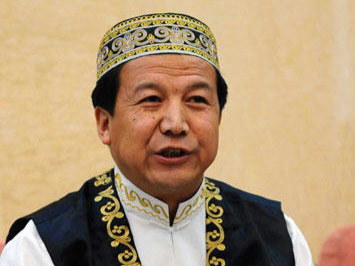
Salar Ethnic Group
Introduction
The Salar ethnic group is a recognized ethnic group in China, predominantly residing in the Xunhua Salar autonomous county in Qinghai province. Known for their unique cultural heritage and vibrant traditions, the Salar people offer a glimpse into a distinct way of life that has been preserved over centuries. This ethnic group is characterized by its rich culinary traditions, unique cultural practices, and scenic landscapes, making it an intriguing destination for those interested in experiencing diverse cultural customs. The Salar are one of the 28 ethnic groups in China classified as having a population of less than 300,000, highlighting their unique status within the nation's diverse ethnic landscape.
Language
The Salar people speak the Salar language. This language serves as a crucial element of their ethnic identity and cultural heritage. While many Salar people also speak Mandarin due to the influence of the broader socio-cultural environment, the preservation of their native language remains an important aspect of their community life. Efforts to maintain and promote the use of the Salar language are vital for sustaining the cultural legacy of the Salar people.
Culture
The Salar culture is a vibrant tapestry of traditions, customs, and artistic expressions that have been passed down through generations. The community is known for its distinctive culinary traditions, traditional dress, and festive celebrations. These cultural elements not only reflect the Salar's historical journey but also their interactions with neighboring ethnic groups, contributing to a unique cultural synthesis.
Traditional Dress
Traditional Salar attire is an expression of their cultural identity and aesthetic sensibilities. Women typically wear brightly colored dresses adorned with intricate embroidery, while men don distinctive caps and robes. These traditional garments are often worn during festivals and special occasions, serving as a visual representation of the Salar's rich cultural heritage.
Festivals
Festivals are an integral part of Salar cultural life, providing opportunities for communal celebration and cultural expression. These events often involve music, dance, and culinary offerings, showcasing the vibrancy and diversity of Salar traditions. Festivals not only strengthen community bonds but also serve as a platform for the continuation and revitalization of cultural practices.
Cuisine
Salar cuisine is characterized by its rich flavors and diverse ingredients, reflecting the group's agricultural lifestyle and historical influences. Signature dishes include steamed buns with minced carrot and mutton stuffing, deep-fried red dates, and dumplings stuffed with preserved fruits. Babao Tea, or Eight-Treasure Tea, is a popular beverage featuring ingredients like Chinese wolfberries, raisins, and red dates. These culinary traditions are a testament to the Salar's creativity and adaptability in the culinary arts.
Music and Dance
Music and dance are vital components of Salar cultural expression, often performed during festivals and community gatherings. These artistic forms serve as a means of storytelling, preserving historical narratives and cultural values. The Salar's musical traditions are enriched by influences from neighboring ethnic groups, resulting in a unique blend of styles and sounds that continue to evolve over time.
Economy
The Salar economy is primarily based on agriculture and animal husbandry, activities that have sustained their communities for generations. The fertile lands of Xunhua provide a favorable environment for cultivating crops and rearing livestock, contributing to the economic stability of the region. Additionally, the Salar have embraced tourism as a means of economic development, leveraging their unique cultural heritage and scenic landscapes to attract visitors.
Modern Developments
In recent years, the Salar community has witnessed significant developments aimed at enhancing their quality of life and preserving their cultural heritage. The Chinese government has implemented plans to boost tourism in regions inhabited by ethnic groups, recognizing the potential of cultural tourism in promoting economic growth and reducing poverty. Infrastructure improvements, such as the expansion of transportation networks, have facilitated greater access to Salar regions, increasing their visibility and appeal as tourist destinations.








